
"Ethiopian coffee systems"
1000 article(s) found

What does coffee bean G1 mean? Ethiopian coffee grade G1 is a highly selected beauty.
Professional coffee knowledge exchange more coffee bean information please follow the coffee workshop (Wechat official account cafe_style) front street-Ethiopian coffee bean grading system introduction Ethiopian coffee grade definition is complex. Ethiopian coffee is sold through the trading system of the Ethiopian Commodity Exchange (ECX), and ECX provides a safe and reliable delivery to

Detailed analysis of forest and semi-forest system of four major cultivation systems of Ethiopian coffee
Forest coffee (Forest Coffee): wild coffee, which accounts for 10% of Ethiopia's national output, is distributed in the wild coffee forest areas of the west and southwest, also known as the Kafa forest. The dense trees here provide the most natural shade for coffee trees and do not need manual care. Mother Earth is in charge of birth, aging, sickness and death, and coffee farmers can go directly to the woodland to harvest. Hansen
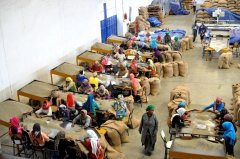
Ethiopian coffee trading system, coffee raw beans Sidamo sun [Sakuran] export system
According to the Ethiopian decree, there are three coffee export systems: (1) the largest private processing plant system that has been exported through ECX bidding; (2) the cooperative system; and (3) the single farm system. In these three systems, cooperatives and single manors can be exported directly without competitive bidding through ECX, which can be said to have completely reliable traceability / product resumes (traceability).
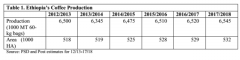
Annual report on Ethiopian Coffee 2017
Ethiopia's coffee production is expected to remain at 6.545 million bags in 2017 / 18. The export is expected to be 3.31 million bags. In June this year, in order to stimulate exports, the government plans to reform the coffee marketing and trading system, one of the most anticipated is that coffee will no longer have to go through the Ethiopian Commodity Exchange (ECX) (ECX trading process and system principles are described in the next article.

Is there a G1 grade for the Ethiopian sun grading? Is there a G1 grade only for washing?
Professional barista communication Please follow the coffee workshop (Wechat official account cafe_style) do you know the coffee grading in Ethiopia, only the washing treatment can have G1 at the earliest? But how do you see more and more people selling Ethiopian suntan G1 coffee beans now? First of all, let's take a look at the grading of Ethiopian coffee beans. In the ECX trading system
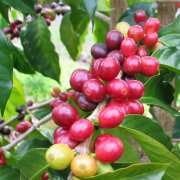
Classification and quality Control system of High quality Coffee Bean Ethiopian Coffee
In Ethiopia, the grading and quality control system of coffee is divided into three levels: producer, regional and national. All coffee is inspected by local inspection agencies before leaving the country of origin, and then re-tested at the coffee inspection and grading centers in Addis and Diredawa to determine its quality grade. Coffee is graded before auction and sale, for all involved in production, acquisition,
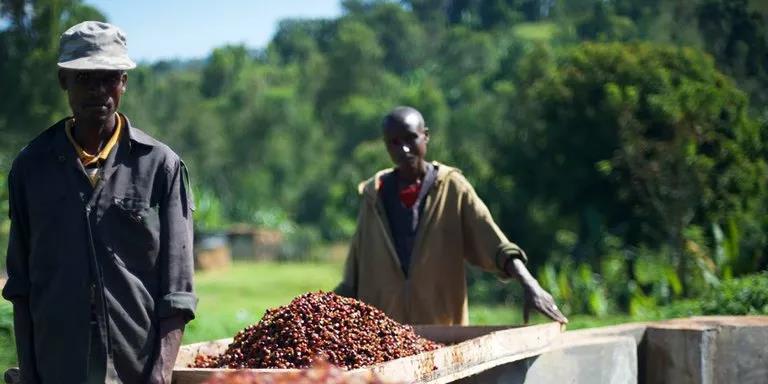
Ethiopian Coffee | characteristics of Nine boutique producing areas and Coffee Trading system
For more professional coffee exchanges, please scan the code to follow Wechat: FrontStreetCoffee Ethiopian name: Ethiopia location: East African Capital: Adis Abba Addis Ababa Religion: Christian main language: Amharic time Zone: GMT+3 Metrology: metric (Metric) currency: bill Birr (1 $20 birr) Agricultural products (Export): coffee, Flowers, Zhi

2018 Ethiopian Coffee Bean recommendation _ Ethiopian Coffee Bean description _ how much Ethiopian Coffee Bean
Professional coffee knowledge exchange more coffee bean information please follow the coffee workshop (Wechat official account cafe_style) ● descendants of King Solomon and Queen Sheba Ethiopians regard themselves as descendants of King Solomon and Queen Sheba, the lion is the symbol of power of their country, the country's population reached 102403196 in 2016, (12th in the world), is the world's most populous landlocked country

Ethiopian coffee production methods how Ethiopian coffee is produced sustainably
Ethiopian coffee production methods Ethiopian coffee is usually produced in a sustainable manner, mostly as garden coffee. This means that it is planted by farmers near their houses and is often intercropped with other plants. It is also common for producers to grow coffee in the semi-forest system. In the semi-forest system, the natural forest is transformed and trimmed.

Ethiopian Coffee Bean: COE22 Coffee Bean and Sun-Red Cherry Coffee Bean Flavor Description
What is the difference between Ethiopian coffee beans COE22 and sun-dried red cherries? From coffee bean history differences, Cup of Excellence short for COE, a fine coffee rating system. The origins of the Cup of Excellence system: The reason why producers have incentives to grow high-quality coffee is not just that I want to grow delicious coffee! This kind of self-awareness, but also have high profits

Apart from Yega Xuefei, what other producing areas in Ethiopia? the whole introduction of Ethiopian coffee producing areas.
Professional coffee knowledge exchange more coffee bean information please follow Coffee Workshop (Wechat official account cafe_style) [Ethiopian Coffee producing area] there are nine major coffee producing areas in Ethiopia:, Sidamo, Yegashifi, Hara, Gemma, Lim, Irubarb, Kinby (Lekanti), Tibby, Becca. Among the nine major coffee producing areas in Ethiopia, nothing is more famous than

Ethiopian Coffee Bean Flavor Manor introduces Ethiopian Coffee Brands
Sun-cured coffee accounts for 65% of exports. Mainly picked by families, red coffee beans are placed on cement floors or on high tables to dry to about 11.5% humidity, then peeled and cleaned. Coffee grading and quality control system in Ethiopia, coffee grading and quality control system is divided into three levels: producer, regional and national. All coffee goes through before leaving the country of origin.

Ethiopian coffee bean native species of coffee bean producing area description of taste and flavor
Ethiopia has nine major coffee producing areas:, Sidamo, Yegashefi, Hara, Gemma, Lim, Iruba, Gimbi (Lekanti), Tibby, and Bebeca. Among the nine major coffee producing areas in Ethiopia, the most famous are Yegashifi, Sidamo and Harald, the largest coffee producing areas.

Four cultivation systems of Ethiopian coffee
Ethiopia is located between three and fourteen degrees north latitude, and the planting area of coffee trees is nearly 600000 hectares. There are two rainy seasons a year in the south and east of the country, while there is only one rainy season in the west. The distribution of the rainy season is different, so coffee is harvested in Ethiopia all the year round. Coffee grows between 550 and 2750 meters above sea level. The soils in the west and south belong to volcanic rocks and are rich in minerals.

Four cultivation systems of Ethiopian coffee
Ethiopia is located between three and fourteen degrees north latitude, and the planting area of coffee trees is nearly 600000 hectares. There are two rainy seasons a year in the south and east of the country, while there is only one rainy season in the west. The distribution of the rainy season is different, so coffee is harvested in Ethiopia all the year round. Coffee grows between 550 and 2750 meters above sea level. The soils in the west and south belong to volcanic rocks and are rich in minerals.

Sunburn Yega Chuefei G1 Cochel Dumeso processing Plant Ethiopian Fine Coffee
Professional coffee knowledge exchange more coffee bean information please follow the coffee workshop (Wechat official account cafe_style) the national Ethiopian producing area Cochel area elevation 1850 2100 meters above sea level producers local area small farmers local area small farmer varieties Ethiopian native seed treatment plant du Meso sun treatment Yegashifi G1 Cochel Dumeso sun treatment

General knowledge of Coffee in four cultivation Systems of Ethiopian Coffee
Ethiopia is located between three and fourteen degrees north latitude, and the planting area of coffee trees is nearly 600000 hectares. There are two rainy seasons a year in the south and east of the country, while there is only one rainy season in the west. The distribution of the rainy season is different, so coffee is harvested in Ethiopia all the year round. Coffee grows between 550 and 2750 meters above sea level. The soils in the west and south belong to volcanic rocks and are rich in minerals.

The story of the four major cultivation systems of Ethiopian coffee, Xueke Omar, imported coffee
Ethiopia is located between 3 and 14 degrees north latitude, and the coffee tree cultivation area is close to 600,000 hectares. There are two rainy seasons in the south and east of the country and only one rainy season in the west. The distribution of rainy seasons is different, so that Ethiopia has coffee harvest all year round. Coffee grows between 550 and 2,750 meters above sea level. The soil in the west and south belongs to volcanic rocks and is rich in minerals.

Description of flavor, taste and aroma of Ethiopian water-washed lim coffee
For professional baristas, please follow the Coffee Workshop (official Wechat account cafe_style) ■ country: Ethiopia ■ Manor: ECX ■ producing area: Lim ■ Variety: Ethiopian Native species ■ treatment: washed ■ Harvest time: 2015 reached ■ Grade: GR1 Cup Test report: this is a lim coffee under the ECX system. We have talked about the ECX system before.

The influence of Ethiopian Commodity Exchange on Coffee Market characteristics of flavor and taste of Huakui coffee beans
Coffee crops are the main source of foreign exchange in Ethiopia. It is the main export commodity to earn valuable foreign exchange for the country. However, coffee also has a vibrant domestic market.